
Canada
Explore Canada: A Complete Travel Guide
Canada is the second-largest country in the world, stretching from the Pacific to the Atlantic and north to the Arctic. Visitors come for the turquoise lakes and peaks of the Rocky Mountains, the thundering Niagara Falls, wildlife such as bears, moose and whales, and for cosmopolitan, multicultural cities like Toronto, Vancouver and Montreal. French-speaking Quebec adds a European flair, and the Atlantic provinces offer lighthouses, seafood and some of the friendliest towns you will find. This guide covers when to go, the eTA and entry rules, getting around, costs, culture, the top places to visit, food and where to stay.
Canada travel guide: the essentials
- Capital: Ottawa. The largest cities are Toronto, Montreal and Vancouver.
- Currency: Canadian dollar (CAD). Cards and contactless payments are accepted almost everywhere.
- Languages: English and French are both official languages; French is the main language in Quebec.
- Entry: most visa-exempt travellers who fly to Canada need an eTA; US citizens do not.
- Electricity: 120 V with type A and B plugs.
- Best for: national parks, road trips, wildlife, city breaks, skiing and autumn colours.

Contents
- Best time to visit Canada
- eTA, visas and entry rules
- Getting around Canada
- Travel costs and park passes
- Safety and outdoor tips
- Culture and etiquette
- Top places to visit
- Canada’s cities
- Canadian food and where to eat
- Where to stay
- Itinerary ideas
- Practical tips
Best time to visit Canada
- Summer (June to August): the best time for the Rockies, hiking, road trips and the coasts. It is also peak season, so book early.
- Autumn (September to mid-October): spectacular fall colours in Quebec, Ontario and Nova Scotia, quieter national parks and lower prices.
- Winter (December to March): world-class skiing in Whistler and Banff, winter carnivals in Quebec City and the northern lights in the Yukon and Northwest Territories. Expect very cold temperatures in most of the country.
- Spring (April to May): a quieter shoulder season; some mountain trails and roads are still covered in snow.
eTA, visas and entry rules
- eTA: visa-exempt travellers, including citizens of the EU, the UK and Australia, need an Electronic Travel Authorization to fly to or transit through Canada. Apply only on the official Government of Canada website; the fee is CAD 7 and the eTA is valid for up to five years or until your passport expires.
- By land or sea: no eTA is needed if you enter by car, bus, train or boat, for example from the United States.
- US citizens: need a valid passport but no eTA.
- Visas: other nationalities need a visitor visa, which includes biometrics.
- Length of stay: visitors can usually stay up to six months; the border officer decides on entry.
Getting around Canada
- By plane: distances are huge: Toronto to Vancouver is a five-hour flight. Air Canada, WestJet and budget airlines such as Porter and Flair connect the main cities.
- By car: the best way to explore the national parks, the Icefields Parkway between Banff and Jasper, and the Atlantic provinces. Cars drive on the right, and distances between towns can be long, so fill up when you can.
- By train: VIA Rail links Quebec City, Montreal, Ottawa and Toronto, and runs the scenic multi-day Canadian between Toronto and Vancouver. The Rocky Mountaineer offers luxury rail tours through the Rockies.
- In the cities: Toronto, Montreal and Vancouver have good public transport; Vancouver’s SkyTrain connects the airport with downtown.
Travel costs and park passes
- Accommodation: a mid-range hotel costs about CAD 180 to 300 a night in the big cities and in Banff in summer; motels in smaller towns are cheaper.
- Food: a casual meal costs CAD 20 to 35 per person, plus sales tax and a tip of 15 to 20%.
- National parks: most national parks charge a daily admission fee. The Parks Canada Discovery Pass, valid for a year at more than 80 destinations, costs CAD 83.50 per adult or CAD 167.50 for a family or group in one vehicle in 2026, and quickly pays for itself on a road trip.
- Free admission periods: in 2026, the government offered free admission to Parks Canada sites from 19 June to 7 September (the “Canada Strong Pass”); check the Parks Canada website for any future periods.
- Daily budget: plan on about CAD 130 to 180 per person a day for budget travel and CAD 250 to 400 for mid-range travel including a rental car.
Safety and outdoor tips
Canada is a very safe country. The main risks are outdoors: keep your distance from wildlife, carry bear spray when hiking in the Rockies and British Columbia, and never feed animals. Weather in the mountains changes fast, and winter driving requires winter tyres in many areas. Wildfires can close roads and parks in summer, so check the latest information from Parks Canada and provincial road services. The emergency number is 911.
Culture and etiquette
Canadians are known for being polite and relaxed. The country is proudly multicultural, with large immigrant communities in its cities and a strong Indigenous heritage: First Nations, Inuit and Métis cultures can be experienced through museums, cultural centres and Indigenous-owned tourism businesses. Ice hockey is the national passion, and Canada Day on 1 July is celebrated with fireworks across the country.
- Tipping 15 to 20% is expected in restaurants, bars and taxis.
- In Quebec, a “bonjour” when entering a shop or café is appreciated.
- Respect Indigenous sacred sites and follow the guidance at cultural centres.
Top places to visit in Canada
Banff and Lake Louise
Canada’s oldest national park is famous for turquoise lakes such as Lake Louise and Moraine Lake, the town of Banff and its hot springs. Moraine Lake road is closed to private cars: book a Parks Canada shuttle or a commercial bus in advance.
Jasper and the Icefields Parkway
One of the most beautiful drives in the world links Banff and Jasper, past glaciers, waterfalls and the Columbia Icefield. Jasper is quieter and wilder, with Maligne Lake and Spirit Island.

Niagara Falls
The Horseshoe Falls on the Canadian side are the most impressive. Take a boat trip to the foot of the falls, and visit the wineries of Niagara-on-the-Lake.

Whistler
A year-round mountain resort north of Vancouver, with one of the largest ski areas in North America and mountain biking and hiking in summer.
Vancouver Island
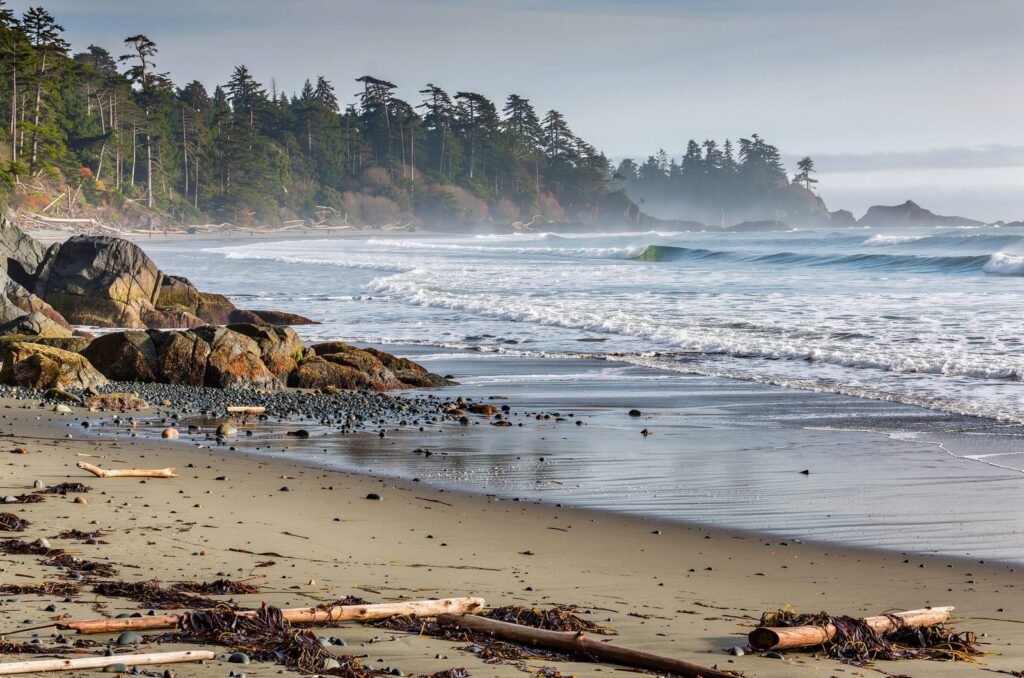
Victoria, the provincial capital, has the famous Butchart Gardens, while Tofino on the west coast offers surf beaches, rainforest and whale watching.

Atlantic Canada
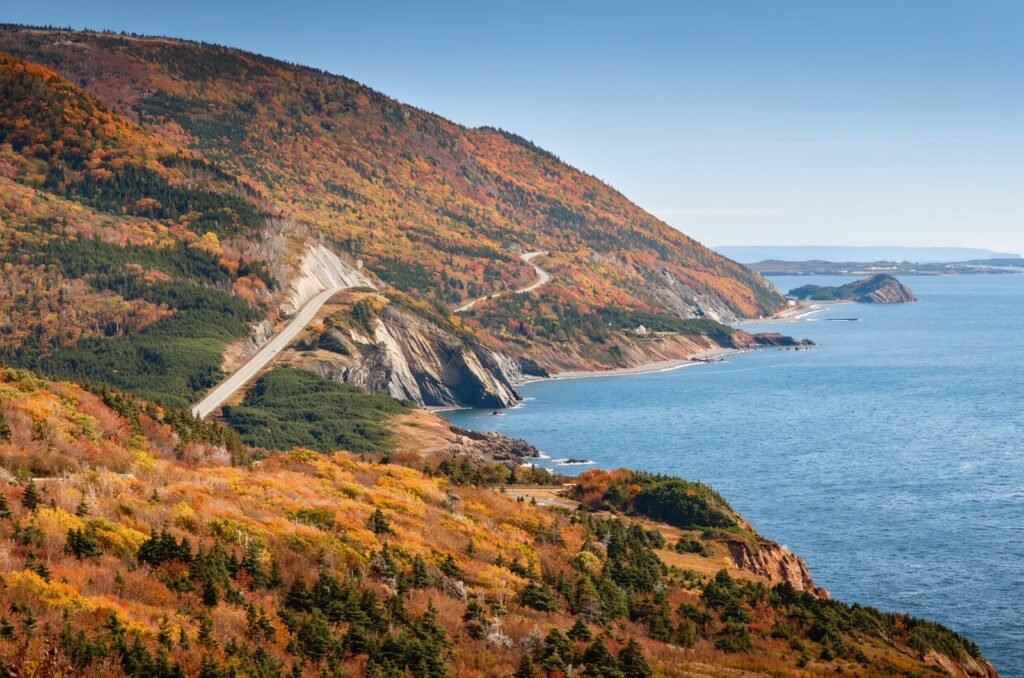
Drive the Cabot Trail in Nova Scotia, visit Peggy’s Cove, eat lobster in Prince Edward Island and see the fjords of Gros Morne National Park in Newfoundland.


Canada’s cities
Toronto
Canada’s largest city has the CN Tower, the Royal Ontario Museum, the Distillery District, St. Lawrence Market and a wonderfully diverse food scene.


Vancouver
Mountains and ocean meet in Vancouver. Cycle the seawall around Stanley Park, visit Granville Island and cross the Capilano Suspension Bridge.


Montreal
A French-speaking city with cobbled Old Montreal, Mount Royal park, festivals, bagels and smoked meat sandwiches.

Quebec City
The only walled city in North America north of Mexico, with the Château Frontenac and the historic district of Old Quebec, a UNESCO World Heritage Site.

Ottawa
The capital is home to Parliament Hill, the Rideau Canal (a skating rink in winter) and national museums.

Canadian food and where to eat
Try poutine (fries with cheese curds and gravy) in Quebec, maple syrup straight from a sugar shack in spring, butter tarts in Ontario, Montreal bagels and smoked meat, salmon on the Pacific coast and lobster in the Maritimes.


Recommended restaurants and food spots
- Joe Beef, Montreal: hearty, celebrated French-Canadian cooking.
- Toqué!, Montreal: a pioneer of Quebec fine dining.
- Schwartz’s and St-Viateur Bagel, Montreal: smoked meat and wood-fired bagels.
- Alo, Toronto: one of Canada’s most acclaimed tasting menus.
- St. Lawrence Market, Toronto, and Granville Island Public Market, Vancouver: great for a food tour.
Where to stay
Canada’s famous railway hotels, built like castles, are a highlight in themselves.
- Fairmont Banff Springs: the “castle in the Rockies”.
- Fairmont Chateau Lake Louise: right on the shore of Lake Louise.
- Fairmont Le Château Frontenac, Quebec City: the city’s iconic landmark.
- Fairmont Royal York, Toronto: opposite Union Station.
- The Wickaninnish Inn, Tofino: storm watching on the Pacific coast.
- Fogo Island Inn, Newfoundland: a spectacular design hotel on a remote island.
Compare prices: check current rates for hotels in Toronto, hotels in Vancouver and hotels in Banff on Booking.com.
Itinerary ideas
- One week, the East: Toronto and Niagara Falls (3 days), Ottawa (1 day), Montreal and Quebec City (3 days) by train.
- Ten days, the Rockies: fly to Calgary, then Banff, Lake Louise, Yoho, the Icefields Parkway and Jasper.
- Two weeks, the West: Vancouver, Whistler, Vancouver Island and the Rockies, or a round trip by car.
- Ten days, Atlantic Canada: Halifax, Peggy’s Cove, the Cabot Trail and Prince Edward Island.
Practical tips
- Apply for your eTA on the official website only, well before you fly.
- Book shuttles for Moraine Lake and Lake Louise and accommodation in Banff and Jasper months ahead for summer.
- Prices exclude sales tax, which varies by province.
- Carry bear spray on hikes in the Rockies and learn how to use it.
- Check road conditions and wildfire information before long drives.
- Make sure your travel insurance covers medical costs in Canada.
Book your trip to Canada
A few services we find useful when planning a trip to Canada:
- Car rental: compare rental cars for a road trip on Economybookings.com
- Mobile data: an eSIM for Canada from Airalo, so you are online as soon as you land
Some links in this section are affiliate links. If you book through them, CountryDiscover may earn a small commission at no extra cost to you.
Conclusion
From the turquoise lakes of the Rockies to the cobbled streets of Quebec City and the lighthouses of the Atlantic coast, Canada offers enormous variety. Pick one or two regions, travel in summer or early autumn, arrange your eTA and park pass in advance, and you will discover why so many travellers fall in love with the country. For more inspiration, read our guides to the United States, Norway and the United Kingdom.