
United States of America
Explore the USA: A Complete Travel Guide
The United States is a country of extremes and contrasts: the skyscrapers of New York and Chicago, the red rock canyons of the Southwest, the beaches of Florida and Hawaii, the geysers of Yellowstone and the music of New Orleans and Nashville. With 50 states, six main time zones and landscapes ranging from Arctic tundra to tropical islands, no single trip can cover it all. This guide helps you choose: when to go, the 2026 entry rules and fees, getting around, costs, culture, the must-see places, food and where to stay.

USA travel guide: the essentials
- Capital: Washington, D.C. The largest city is New York.
- Currency: US dollar (USD). Cards and contactless payments are accepted almost everywhere.
- Language: English; Spanish is widely spoken in the South, Southwest, Florida and the big cities.
- Entry: travellers from Visa Waiver Program countries (including most of the EU, the UK and Australia) need an ESTA; others need a visa.
- Electricity: 120 V with type A and B plugs, so bring an adapter.
- Prices: sales tax is added at the till and tipping is expected in restaurants, taxis and bars.
- Best for: road trips, national parks, city breaks, beaches, theme parks, music and food.

Contents
- Best time to visit the USA
- ESTA, visas and entry rules in 2026
- Getting around the USA
- Travel costs and national park fees
- Safety and health
- Culture, tipping and etiquette
- Top places to visit
- The regions at a glance
- American food and where to eat
- Where to stay
- Itinerary ideas
- Practical tips
Best time to visit the USA
Because the country is so large, the best time depends on where you go. As a rule of thumb, spring (April to early June) and autumn (September to October) offer the best balance of pleasant weather, smaller crowds and lower prices in most regions.
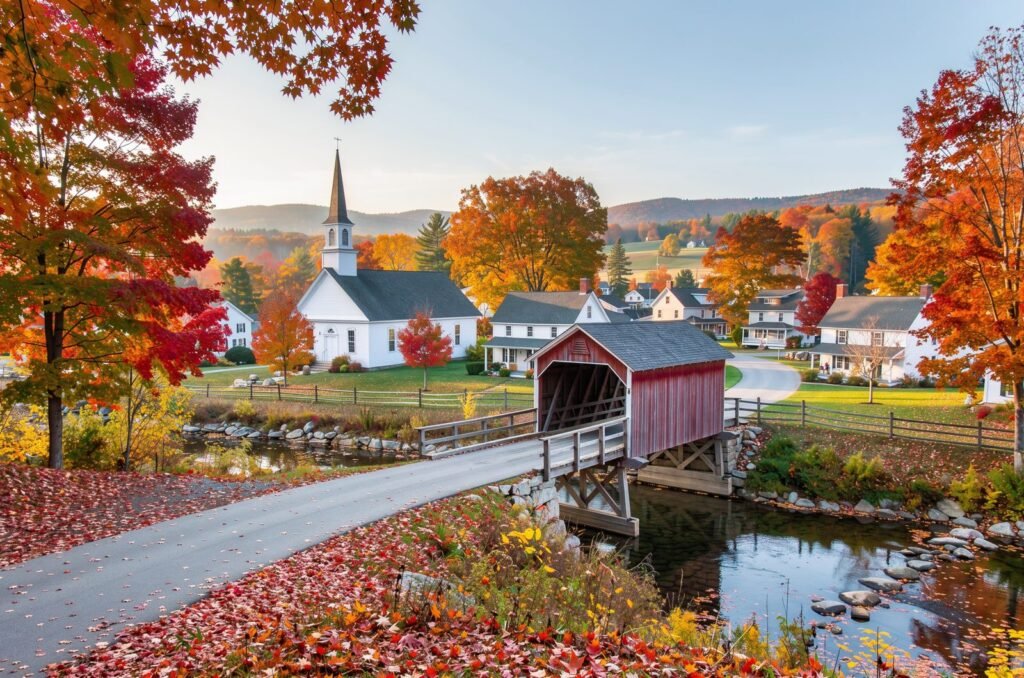
- New York, Washington and the Northeast: May, June, September and October. Autumn brings the famous fall colours in New England from late September to mid October. Winters are cold, but December is magical in New York.
- California: San Francisco is mild all year and often foggy in summer; Los Angeles and San Diego are sunny for most of the year. Spring is best for the deserts of Southern California.
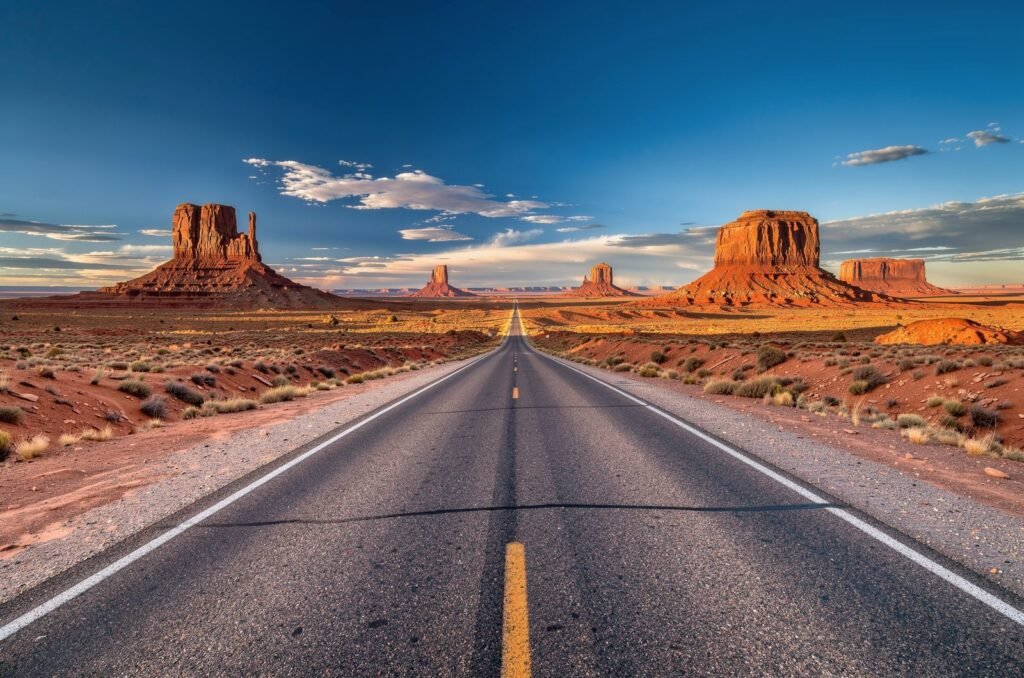
- The Southwest (Grand Canyon, Utah, Las Vegas): April to May and September to October. Summer temperatures in Las Vegas and Death Valley regularly pass 40°C.
- The Rockies and Yellowstone: June to September. Many roads in Yellowstone close in winter.
- Florida and the South: November to April is dry and warm. The Atlantic hurricane season runs from 1 June to 30 November, with the highest risk from August to October.
- Hawaii: pleasant all year; April to May and September to October are quieter and cheaper.
ESTA, visas and entry rules in 2026
Entry rules and fees for the United States have changed several times since 2025, so always check the official sources before you book.
- ESTA: citizens of Visa Waiver Program countries apply online on the official ESTA website. The fee rose to about $40 in 2025. An approved ESTA is valid for two years (or until your passport expires) and allows stays of up to 90 days for tourism or business. Apply at least 72 hours before departure and avoid unofficial sites that charge extra.
- More screening: CBP has proposed making five years of social media history, plus older phone numbers and email addresses, mandatory in the ESTA form. Check the official site for the current questions when you apply.
- Visas: travellers who are not eligible for ESTA need a B1/B2 visitor visa. On top of the $185 application fee, a new $250 Visa Integrity Fee is being introduced for visas that are issued.
- Travel restrictions: citizens of a number of countries face partial or full entry bans. Check the US embassy in your country before planning.
- At the border: expect fingerprints and a facial photo. Officers may ask about your plans, accommodation and return ticket, and they decide on entry, even with a valid ESTA.
- Travel insurance: not required, but strongly recommended, because medical care in the US is very expensive.
Getting around the USA
- By car: the classic way to see the country outside the big cities. Most rental companies require drivers to be at least 21 (often with a young driver fee under 25). A credit card is usually required. Petrol is cheaper than in Europe, but distances are huge.
- By plane: domestic flights are the fastest way to cover long distances, such as New York to Los Angeles (about six hours). Budget airlines charge extra for bags and seat selection.
- By train: Amtrak is comfortable and scenic but slow outside the Northeast Corridor, where Acela trains link Boston, New York, Philadelphia and Washington. Long-distance routes such as the California Zephyr are an experience in themselves.
- By bus: Greyhound and FlixBus are the cheapest option between cities.
- In the cities: New York, Washington, Chicago, Boston and San Francisco have good public transport. In Los Angeles and most other cities you will want a car or ride-hailing apps such as Uber and Lyft.

Travel costs and national park fees
The US is an expensive destination, especially in New York, California and Hawaii. Remember that prices on menus and in shops usually exclude sales tax, and hotels add local taxes and sometimes a resort fee.
- Accommodation: a basic motel costs around $90 to $150 a night, a mid-range hotel $150 to $300, and in Manhattan often $250 or more.
- Food: breakfast at a diner costs about $15 to $25, a casual dinner $25 to $45 per person, plus tax and tip.
- Daily budget: plan on about $150 to $200 per person a day for budget travel and $250 to $400 for mid-range travel, excluding long-distance transport.
- National parks: since 1 January 2026, visitors who are not US residents pay a $100 surcharge per person (age 16 and over) on top of the normal entrance fee at 11 of the most visited parks, including the Grand Canyon, Yellowstone, Yosemite, Zion, Bryce Canyon, Glacier, Grand Teton, Rocky Mountain, Acadia, Everglades and Sequoia and Kings Canyon. The America the Beautiful annual pass costs $250 for non-residents (US residents pay $80) and removes the surcharge, so it pays off if you visit two or more of these parks. Buy passes and timed-entry tickets on nps.gov and recreation.gov.
Safety and health
Most visits to the United States are trouble-free. Popular tourist areas are generally safe, but crime rates vary a lot between and within cities, so check which neighbourhoods to avoid at night and keep valuables out of sight in cars. Gun violence is more common than in Europe; follow local news and instructions from authorities if something happens.
Natural hazards deserve attention: hurricanes in Florida and the Gulf Coast, wildfires in the West in summer and autumn, extreme heat in the deserts, and tornadoes in the Midwest in spring. In national parks, keep your distance from wildlife and carry enough water. Healthcare is excellent but very expensive, so make sure your travel insurance covers medical costs in the US.
International visitor numbers fell in 2025: about 68.3 million people visited, down 5.5% from 2024. For travellers, that sometimes means better hotel deals, but it is also a sign that many people are uncertain about the stricter entry rules, so prepare your documents carefully.
Culture, tipping and etiquette
American culture is famously friendly and informal. Small talk with strangers is normal, and staff will greet you in shops and restaurants. A few things to know:
- Tipping: in sit-down restaurants, tip 18 to 22% of the bill before tax. Bartenders expect about $1 to $2 per drink, taxi drivers 15 to 20%, and hotel housekeeping a few dollars per night.
- Drinking: the legal drinking age is 21, and you may be asked for ID. Drinking alcohol in public is not allowed in most places.
- Diversity: the US is a nation of immigrants, and each region has its own identity, from the Hispanic culture of the Southwest to the Creole culture of Louisiana and the Native American nations, many of which hold powwows that visitors can attend.

Top places to visit in the USA
New York City
Times Square, Central Park, the Statue of Liberty, the Brooklyn Bridge, world-class museums such as the Met and MoMA, and Broadway: New York is the classic first stop. Take the free Staten Island Ferry for views of the Statue of Liberty and the skyline.

Washington, D.C.
The National Mall connects the Capitol, the Washington Monument and the Lincoln Memorial, and most Smithsonian museums along it are free.

The Grand Canyon
The South Rim is open all year and offers the classic views; the North Rim is quieter and usually open from mid May to mid October. Sunrise and sunset are spectacular.
Yellowstone National Park
The first national park in the world, with Old Faithful, colourful hot springs, bison and wolves. Book accommodation inside or near the park well in advance.

San Francisco and the Californian coast
Ride a cable car, cross the Golden Gate Bridge, visit Alcatraz and then drive Highway 1 south through Big Sur.
Los Angeles
Hollywood, the beaches of Santa Monica and Venice, the Getty Center and a food scene shaped by Mexican and Asian cuisine.

Las Vegas
The Strip is a show in itself, and the city is the perfect base for Red Rock Canyon, Zion and the Grand Canyon.

New Orleans
Jazz on Frenchmen Street, the historic French Quarter, beignets and Creole cooking make New Orleans unlike any other American city.

Miami and Florida
Art deco in South Beach, Cuban food in Little Havana, the Everglades and the Florida Keys. Orlando, with its theme parks and the Kennedy Space Center nearby, is a favourite with families.

Chicago
Spectacular architecture best seen on a river cruise, deep-dish pizza, blues clubs and the Art Institute of Chicago.

Niagara Falls
The falls on the border with Canada are an easy addition to a trip to New York State.

Hawaii
Volcanoes, beaches and rainforest: Oahu with Honolulu and Waikiki is the busiest island, while Maui, Kauai and the Big Island offer more nature.

The regions at a glance
- The Northeast: New York, Boston, Philadelphia and Washington, plus the villages and autumn colours of New England.
- The South: music cities such as Nashville, Memphis and New Orleans, Southern food, and the beaches of Florida.
- The Midwest: Chicago, the Great Lakes and the wide prairies.
- The Southwest: desert landscapes, canyons, Native American culture, Las Vegas and Route 66.
- The Rockies: Yellowstone, Grand Teton, Glacier and the ski resorts of Colorado and Utah.
- The West Coast: California, Oregon and Washington, from Los Angeles to Seattle.
- Alaska and Hawaii: glaciers and wildlife in the far north, tropical islands in the Pacific.
American food and where to eat
American food is much more than fast food. Every region has its own specialities: lobster rolls in New England, barbecue in Texas and the South, gumbo and po’boys in New Orleans, Tex-Mex and tacos in the Southwest, and fresh seafood on the West Coast. Classics to try include a proper burger, New York or Chicago pizza, buttermilk fried chicken, mac and cheese, apple pie and doughnuts.


Recommended restaurants
- New York: Le Bernardin (seafood, three Michelin stars), Eleven Madison Park, Per Se and the more relaxed Gramercy Tavern.
- Los Angeles: Providence (seafood), Nobu and Bottega Louie for pastries and brunch.
- San Francisco: Benu, the historic Tadich Grill and Swan Oyster Depot (expect a queue).
- Las Vegas: Joël Robuchon at the MGM Grand, Estiatorio Milos and SW Steakhouse at the Wynn.
Where to stay
From roadside motels to legendary city hotels, the US has accommodation for every budget. For road trips, chain motels are cheap and convenient; in the cities, location matters most. A few iconic options:
- New York: The Plaza, The Ritz-Carlton New York, Central Park, The St. Regis New York and The Langham.
- Los Angeles: Waldorf Astoria Beverly Hills, the legendary Chateau Marmont and The Ritz-Carlton Los Angeles.
- San Francisco: Fairmont San Francisco on Nob Hill and Taj Campton Place near Union Square.
- Las Vegas: Bellagio, Wynn, The Venetian and The Cosmopolitan.
- Grand Canyon: the historic El Tovar right on the South Rim; book many months ahead.
- Hawaii: Halekulani on Waikiki Beach.
Compare prices: check current rates for hotels in New York, hotels in Las Vegas and hotels in Orlando on Booking.com.
Itinerary ideas
- One week, East Coast: four days in New York, then the train to Washington, D.C. for three days.
- Two weeks, Southwest road trip: Las Vegas, Zion, Bryce Canyon, Page (Horseshoe Bend and Antelope Canyon), Monument Valley and the Grand Canyon, back to Las Vegas.
- Two weeks, California: San Francisco, Yosemite, Highway 1 through Big Sur, Los Angeles and San Diego.
- Three weeks, coast to coast: New York, Chicago, a flight to Las Vegas, the national parks of the Southwest and Los Angeles.
- Ten days, Florida: Miami, the Everglades, the Florida Keys and Orlando.
Practical tips
- Apply for your ESTA only on the official government site, and do it well before you travel.
- Calculate whether the $250 America the Beautiful pass is worth it before visiting national parks.
- Book national park lodges, popular campsites and timed entry permits months in advance.
- Take sales tax and tips into account: the price on the menu is not what you pay.
- Download offline maps, because there is often no mobile signal in national parks.
- Check the time zone when booking connecting flights and tours.
- Carry a credit card; it is often required for rental cars and hotel deposits.
Book your trip to the USA
A few services we find useful when planning a trip to the United States:
- Tickets and tours: tickets for New York attractions such as observation decks and museums on Tiqets
- Car rental: compare rental cars for your road trip on Economybookings.com
- Mobile data: an eSIM for the USA from Airalo, so you are online as soon as you land
Some links in this section are affiliate links. If you book through them, CountryDiscover may earn a small commission at no extra cost to you.
Conclusion
The United States rewards careful planning: choose one or two regions, travel in spring or autumn, sort out your ESTA and park passes in advance and leave room for the unexpected on the open road. Whether you come for the skyline of New York, the canyons of the Southwest or the beaches of Hawaii, the country offers more variety than almost any other destination. For more inspiration, read our guides to Mexico, the United Kingdom and Japan.