
Maldives
Discover the Maldives
The Maldives is a tropical island nation in the Indian Ocean, southwest of Sri Lanka and India. It is made up of 26 coral atolls and around 1,200 islands, of which only about 200 are inhabited by local communities and more than 150 are private resort islands. Turquoise lagoons, white sand beaches, coral reefs full of life and overwater villas have made it one of the most sought-after travel destinations in the world.

This Maldives travel guide covers everything you need to plan your trip: the best time to visit, how to get from the airport to your island, resort or local island, budget, the best snorkelling and diving, and the local rules every visitor should know.
Maldives travel guide: the essentials
- Capital: Malé
- International airport: Velana International Airport (MLE), on Hulhulé Island next to Malé
- Currency: Maldivian rufiyaa (MVR). US dollars are accepted almost everywhere for tourists.
- Language: Dhivehi. English is widely spoken in tourism.
- Religion: Islam, which shapes local laws and customs.
- Best time to visit: December to April (dry season).
- Visa: a free 30-day tourist visa on arrival for all nationalities.
- Ideal length of stay: 5 to 10 nights.
Flag of the Maldives

The flag of the Maldives features a red border surrounding a green rectangle, with a white crescent moon in the centre. The red represents the courage and sacrifice of the nation’s heroes, the green symbolises peace and prosperity, and the white crescent reflects the Islamic faith of the Maldivian people.
Map of the Maldives
The Maldives stretches for roughly 800 kilometres from north to south and crosses the equator, yet its total land area is only about 300 square kilometres. This makes it one of the most geographically dispersed countries in the world, and also the lowest-lying: most islands rise only a metre or two above sea level.

Atolls close to the airport, such as North and South Malé Atoll, are reached by speedboat. Further atolls such as Baa, Ari, Lhaviyani and Raa are reached by seaplane or domestic flight. Where your island lies determines both your transfer time and your transfer cost, so check this before you book.
Best Time to Visit the Maldives
The Maldives is warm all year, with temperatures around 27 to 31°C, but it has two monsoon seasons.
- December to April (dry season): sunny days, calm seas and excellent visibility for snorkelling and diving. This is high season, so prices are highest, especially around Christmas, New Year and Easter.
- May to November (wet season): more rain, wind and choppier seas, but showers are often short and resort prices are clearly lower. This is also manta ray season in Baa Atoll and the best time for surfing.
Whale sharks can be seen year-round in South Ari Atoll. If you want the best weather with fewer crowds, consider the shoulder months of April and November.
Getting There and Getting Around
Entry requirements
All nationalities receive a free 30-day tourist visa on arrival, as long as you have a valid passport, a confirmed booking and a return or onward ticket. Every traveller, including children, must complete the free online Traveller Declaration on the official IMUGA portal within 96 hours before arrival. Ignore websites that charge a fee for this declaration.
Transfers from the airport
- Speedboat: for resorts and local islands in North and South Malé Atoll, usually 15 minutes to an hour.
- Seaplane: a spectacular flight of 20 to 60 minutes to more distant atolls. Seaplanes only fly in daylight, so if you land late you may need to spend a night near the airport.
- Domestic flight plus boat: for the furthest atolls, a short domestic flight to a regional airport followed by a boat transfer.
- Public ferry or shared speedboat: the cheapest way to reach local islands. Ferries are slow and do not run every day, so check the schedule with your guesthouse.
Resort transfers are arranged by the resort and are often charged per person on top of the room rate. Seaplane transfers can easily cost several hundred dollars per person, so include them when you compare prices.

Resort Island or Local Island?
This is the biggest choice when planning a trip to the Maldives, and it decides your budget and your experience.
Resort islands
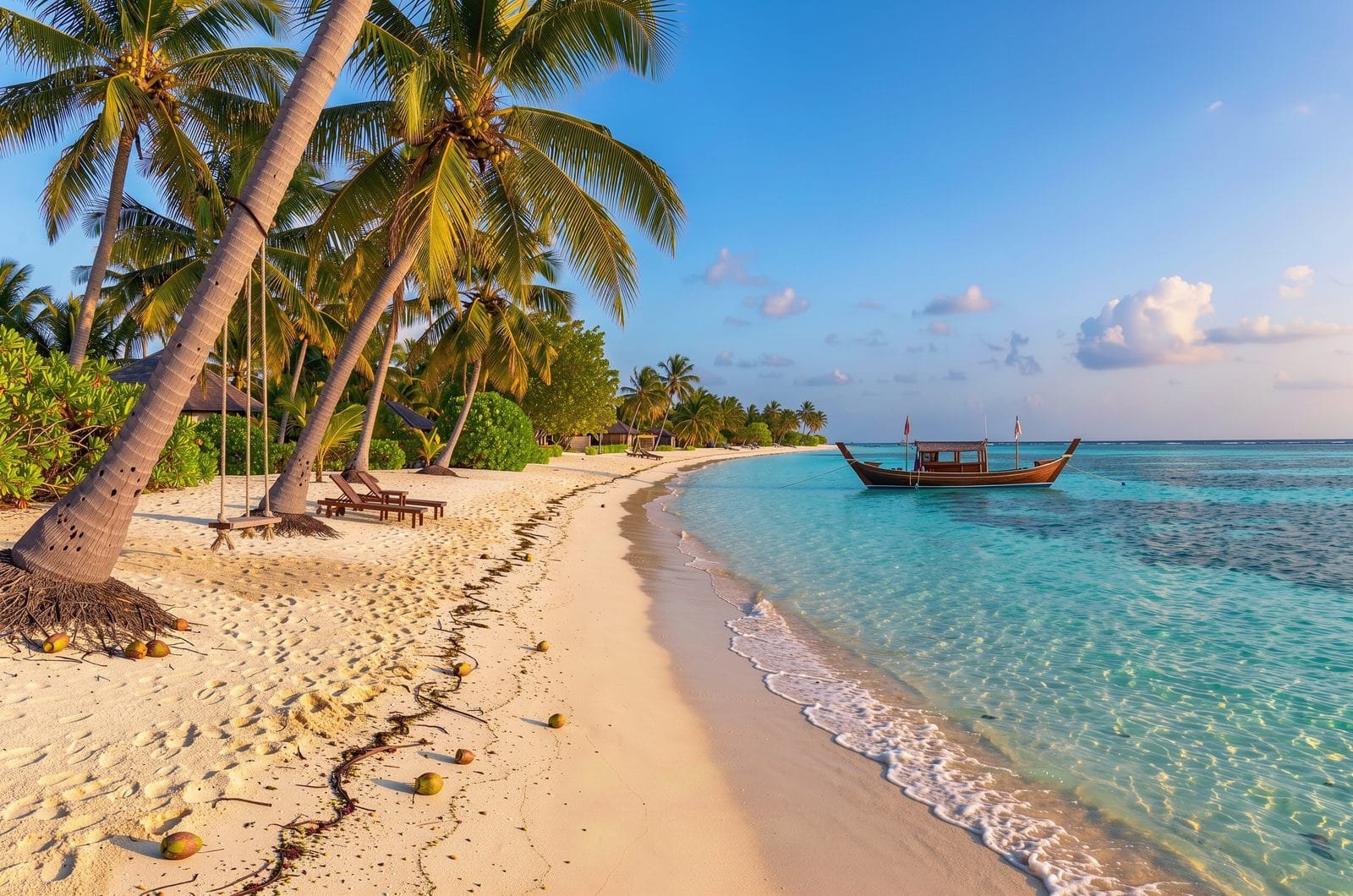
On a resort island, one hotel occupies the entire island. You get overwater villas, private beaches, spas, restaurants and bars, and alcohol is available. Resorts are ideal for honeymoons and for travellers who want total relaxation and privacy, but prices are high and you see little of Maldivian daily life.
Local islands
Since 2009 Maldivians have been allowed to open guesthouses on inhabited islands, which made the Maldives affordable for independent travellers. On a local island you stay in a guesthouse, eat in local cafés and book excursions such as snorkelling trips, sandbank picnics and resort day passes. You swim on a designated tourist beach, often called a bikini beach.
Keep in mind that local islands follow Islamic law: alcohol is not available, and outside the bikini beach you should cover your shoulders and knees. Many travellers combine both: a few nights on a local island and a few nights in a resort.
Popular local islands
- Maafushi (South Malé Atoll): the best-known guesthouse island, with many hotels, excursions and a large bikini beach. Lively but busy.
- Thulusdhoo (North Malé Atoll): a relaxed island known among surfers for the Cokes surf break.
- Dhigurah (South Ari Atoll): a long, narrow island with a beautiful beach, close to the best area for whale shark encounters.
- Ukulhas (Alif Alif Atoll): a small, clean island with a lovely beach and good snorkelling nearby.
- Fulhadhoo and Dharavandhoo (Baa Atoll): quiet islands in the UNESCO biosphere reserve. Dharavandhoo is the closest local island to Hanifaru Bay.
How Much Does a Trip to the Maldives Cost?
Prices vary enormously depending on the season, the type of island and the transfer. All prices in this Maldives travel guide are rough indications per night for two people:
- Guesthouse on a local island: from about 60 to 150 US dollars.
- Mid-range resort: from about 300 to 700 US dollars, often with half board or all-inclusive options.
- Luxury resort with an overwater villa: from about 1,000 US dollars and well above.
On top of the room rate, most bills include a 10% service charge and a 17% tourism goods and services tax (TGST). In addition, every guest pays a green tax per night: 12 US dollars at resorts and hotels, and 6 US dollars at guesthouses. Children under two are exempt. When you leave, a departure tax and airport development fee are added to your flight ticket.
Money tips
US dollars are accepted almost everywhere for tourists, and resorts charge in dollars. On local islands, small cafés and shops often prefer cash, in rufiyaa or dollars. Bring clean, undamaged dollar notes, as worn notes are sometimes refused. Credit cards work at resorts and larger guesthouses.
Top Things to Do in the Maldives
Malé, the capital
Malé is one of the most densely populated cities in the world, packed with colourful buildings, busy streets and mosques. The Old Friday Mosque (Hukuru Miskiy), built in 1658 from carved coral stone, is a fine example of traditional Maldivian architecture. Visit the local fish market in the afternoon, when the tuna boats come in, and the fruit and vegetable market next door. Half a day is enough for most visitors.
Snorkel with manta rays at Hanifaru Bay
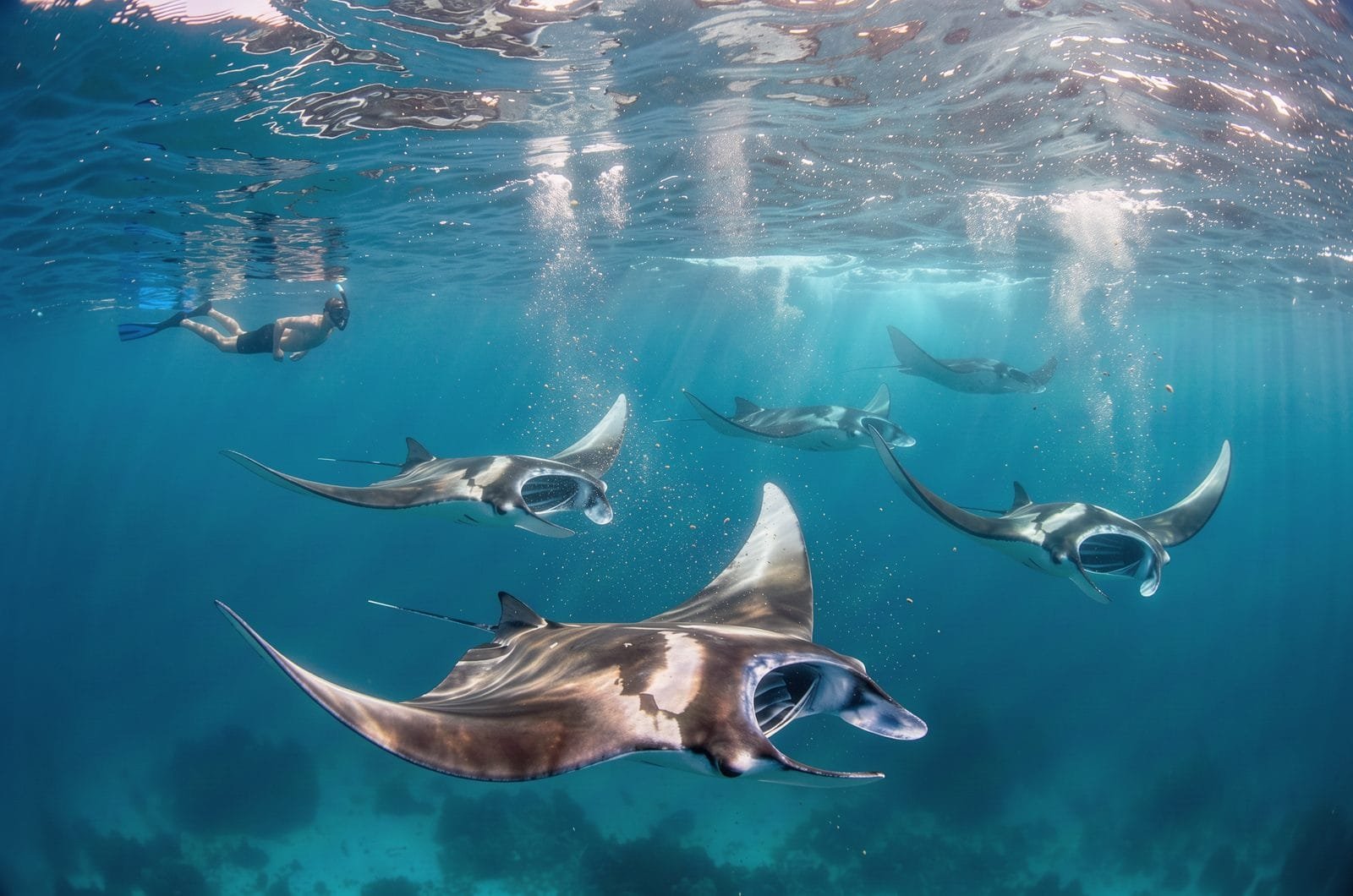
Baa Atoll has been a UNESCO Biosphere Reserve since 2011. Its most famous spot is Hanifaru Bay, a small bay where plankton gathers and, in the right conditions, large groups of manta rays come to feed. The season runs roughly from June to November. Hanifaru is snorkel-only, scuba diving is banned there, and the number of visitors per day is limited, so book through a licensed operator. Sightings are never guaranteed.
Swim with whale sharks in South Ari Atoll
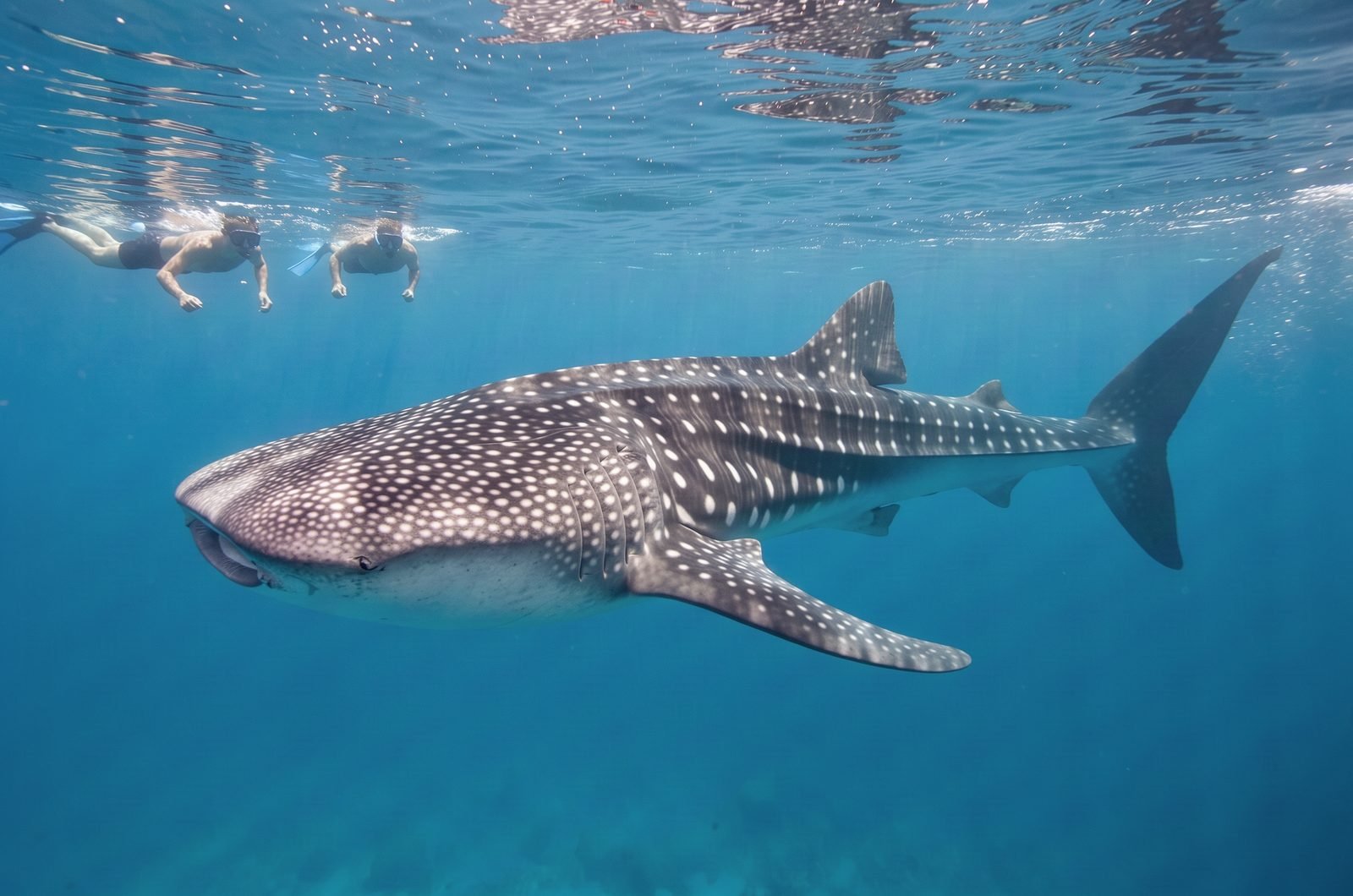
South Ari Atoll is one of the few places in the world where whale sharks can be seen year-round. Excursions leave from Dhigurah and Maamigili and from resorts in the area. Keep your distance and never touch the animals.
Sandbanks, dolphins and sunset cruises
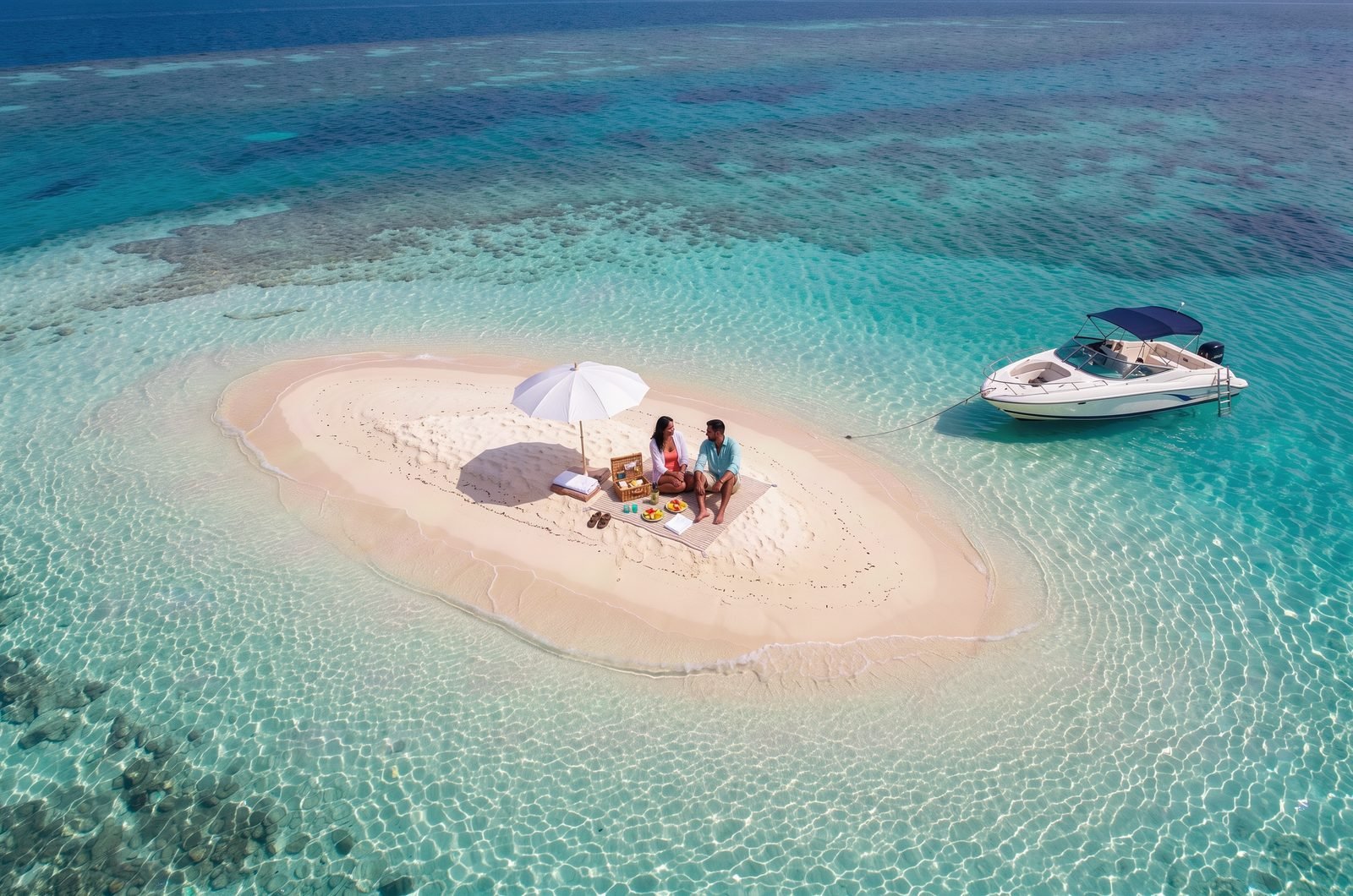
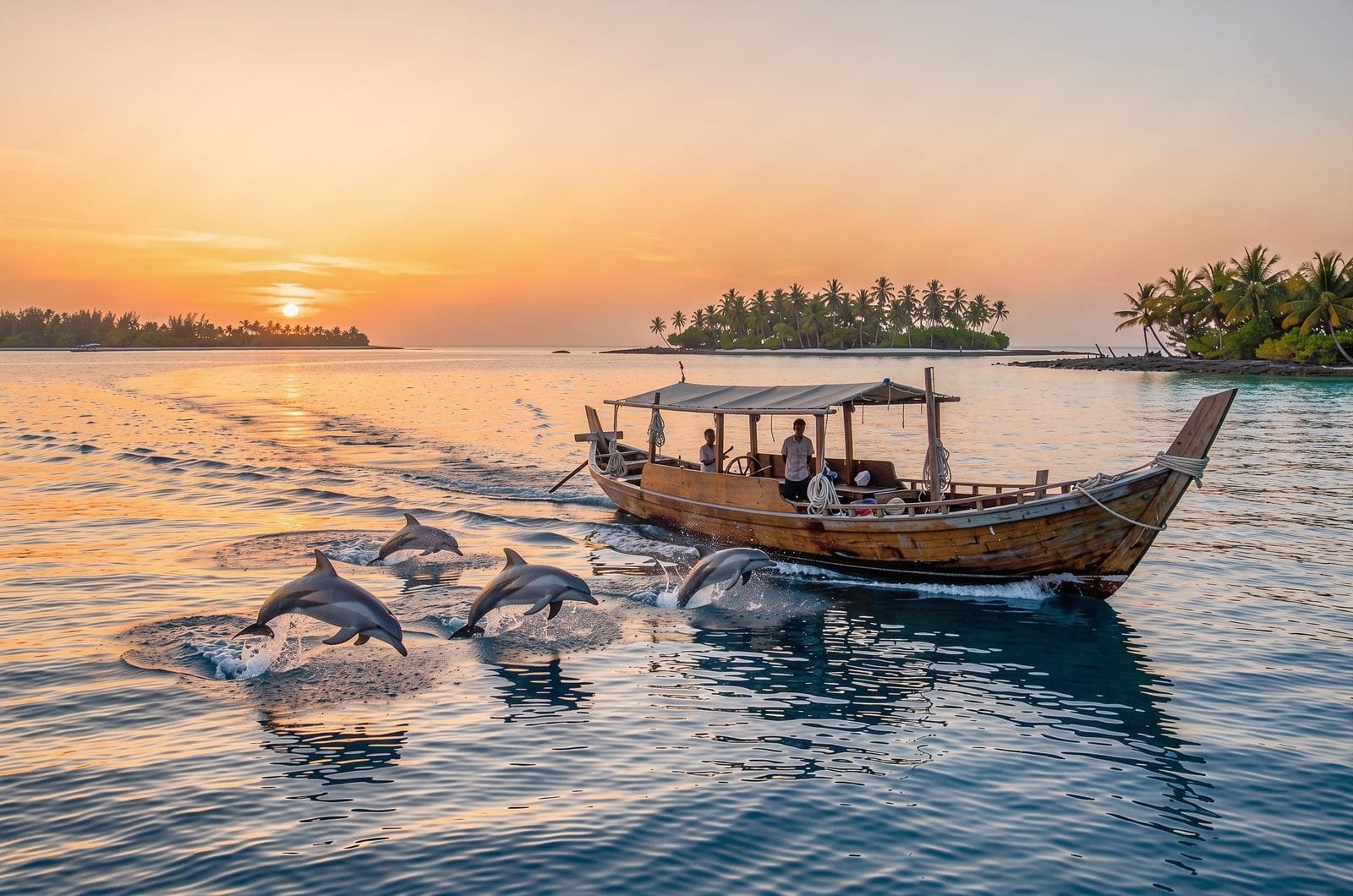
Classic Maldives excursions include a picnic on a sandbank in the middle of the ocean, a sunset cruise to spot spinner dolphins, and traditional night fishing on a dhoni, the Maldivian wooden boat.
Vaadhoo and the Sea of Stars
On some nights, bioluminescent plankton makes the waterline glow blue on beaches across the Maldives. Vaadhoo Island in Raa Atoll became famous for it, but the phenomenon is unpredictable and can happen on many islands. Look for it on dark nights away from bright lights.
Best Diving and Snorkelling Spots
No Maldives travel guide is complete without the reefs. The Maldives is one of the best dive destinations in the world, with warm water, clear visibility and abundant marine life. Many resorts have a house reef you can snorkel straight from the beach.

- Maaya Thila (North Ari Atoll): a classic dive site with white-tip reef sharks, turtles and colourful soft coral, also popular for night dives.
- Banana Reef (North Malé Atoll): one of the first dive sites in the Maldives, with caves, overhangs and plenty of fish.
- Alimatha (Vaavu Atoll): famous for night dives and snorkelling with nurse sharks.
- Fuvahmulah: a single-island atoll in the far south, known among experienced divers for tiger sharks.
Choose a dive centre with good safety standards and follow the guidance of your instructor, especially in strong currents.
Best Resorts in the Maldives
- Soneva Fushi (Baa Atoll): barefoot luxury in the UNESCO biosphere reserve, surrounded by jungle and lagoons, known for its sustainability programme and open-air cinema.
- Conrad Maldives Rangali Island (South Ari Atoll): home to Ithaa, an all-glass undersea restaurant that opened in 2005 with a panoramic view of the coral reef.
- Gili Lankanfushi (North Malé Atoll): an eco-conscious resort with spacious overwater villas, a short speedboat ride from the airport.
- Baros Maldives (North Malé Atoll): an intimate luxury resort with a beautiful house reef, about 25 minutes by speedboat from the airport.
- Kurumba Maldives (North Malé Atoll): the first resort in the Maldives, opened in 1972, and just a short boat ride from the airport. A good choice for families and shorter stays.
- Bandos Maldives (North Malé Atoll): a mid-range resort close to the airport with its own dive centre and a lively house reef.
Compare prices: check current rates for resorts and guesthouses in the Maldives on Booking.com.
Best Beaches in the Maldives
- Veligandu (North Ari Atoll): a long sandbank of white sand at the end of the island, surrounded by warm, shallow turquoise water.
- Fulhadhoo Beach (Baa Atoll): a quiet, unspoiled beach on a small local island, often called one of the most beautiful in the country.
- Dhigurah Beach (South Ari Atoll): a long stretch of sand on a local island, close to the whale shark area.
- Bikini Beach, Maafushi (South Malé Atoll): the most accessible beach for independent travellers on a budget.
Maldivian Food
Maldivian cuisine is based on three ingredients: fish (especially tuna), coconut and starch such as rice or flatbread. It is influenced by South Indian and Sri Lankan cooking and is often spicy. Try these dishes in a local café or ask your resort for a Maldivian evening.
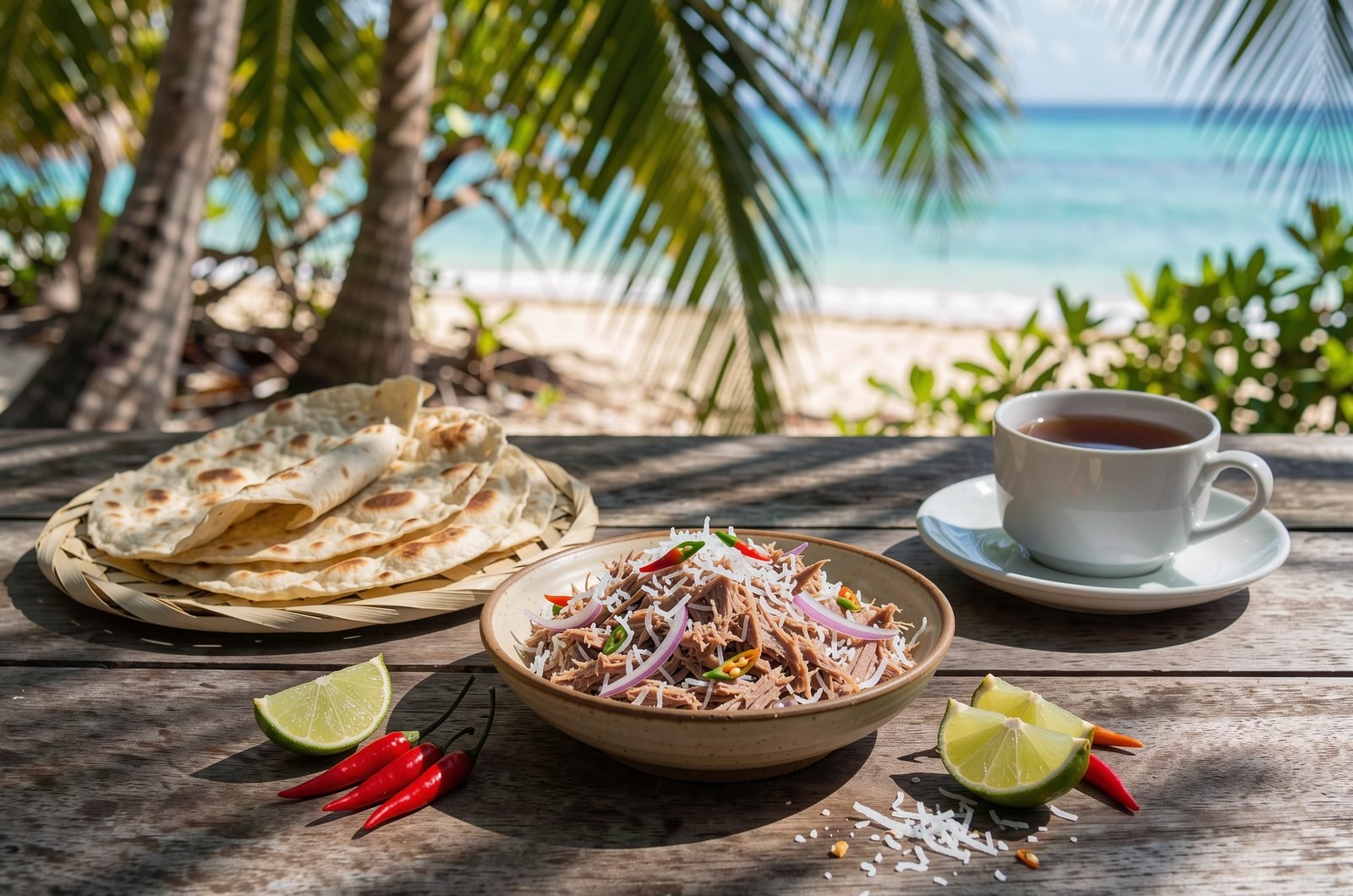
- Mas huni: the classic breakfast of shredded smoked tuna, grated coconut, onion and chilli, eaten with roshi flatbread.
- Garudhiya: a clear tuna broth served with rice, lime, chilli and onion, one of the most loved everyday dishes.
- Bis keemiya: a savoury pastry filled with tuna, egg and cabbage, similar to a samosa.
- Fihunu mas: grilled fish marinated in chilli and spices, often served at beach grills.
- Hedhikaa: small savoury snacks such as fish cakes and fried pastries, served in local tea shops in the afternoon.
Culture and Local Rules
Maldivian culture is rooted in Islamic tradition and in a deep connection to the sea. The best-known traditional music and dance is bodu beru, performed with large drums at celebrations, and many resorts host bodu beru evenings.
Rules every visitor should know
- Alcohol: only available on resort islands, hotels with a licence and liveaboard boats. It is not sold on local islands, and you may not bring it into the country: customs will hold it at the airport.
- Dress code: on local islands and in Malé, cover your shoulders and knees. Swimwear is fine at resorts and on designated bikini beaches.
- Friday: the day of prayer. On local islands many shops and cafés close around midday prayers.
- Ramadan: during the month of fasting, eat and drink discreetly in public on local islands.
- Nature: do not touch or stand on coral, never take shells or coral home, and use reef-safe sunscreen.
Economy of the Maldives
Tourism and fishing are the two pillars of the Maldivian economy. In 2025 the country welcomed a record of around 2.25 million tourists, and tourism is by far the largest source of income and jobs. The Maldives built its success on the one island, one resort model, which attracts many of the world’s most exclusive hotel brands. Fishing, especially pole-and-line tuna fishing, remains important for local communities and exports.
Book your trip to the Maldives
A few services we find useful when planning a trip to the Maldives:
- Mobile data: an eSIM for Maldives from Airalo, so you are online as soon as you land
- Flight delayed or cancelled? check if you are entitled to compensation with AirHelp
Some links in this section are affiliate links. If you book through them, CountryDiscover may earn a small commission at no extra cost to you.
Conclusion: Is the Maldives Worth It?
The Maldives is unlike any other destination on earth. If you want a luxury honeymoon, choose a resort with an overwater villa and a good house reef. If you want to see the Maldives on a budget, stay on a local island like Maafushi, Dhigurah or Ukulhas and book excursions from there. Divers and snorkellers will find manta rays, whale sharks, turtles and reef sharks in some of the clearest water in the world.
Plan your trip around the season, compare transfer costs before you book, and remember the local customs. Do that, and the Maldives will deliver an experience that stays with you long after you leave.
Want to combine the Maldives with a neighbouring country? Read our Sri Lanka travel guide and India travel guide, or discover more destinations on our interactive world map.