
France
Explore France: A Complete Travel Guide
France is the most visited country in the world, and for good reason. Paris alone could fill a lifetime of visits, but beyond the capital lie the glamorous Côte d’Azur, the lavender fields and hilltop villages of Provence, the castles of the Loire Valley, the vineyards of Bordeaux and Burgundy, the Alps and the dramatic coast of Brittany and Normandy. Combine that with the world’s most celebrated cuisine and an excellent high-speed rail network, and France is perfect for both a city break and a long road trip. This guide covers when to go, entry rules, getting around, costs, culture, the top places to visit, food and where to stay.
France travel guide: the essentials
- Capital: Paris. Other major cities are Marseille, Lyon, Toulouse, Nice and Bordeaux.
- Currency: euro (EUR).
- Language: French. English is spoken in tourist areas, but a polite “bonjour” goes a long way.
- Entry: France is part of the EU and the Schengen Area.
- Electricity: 230 V with type C and E plugs.
- Best for: art and museums, food and wine, castles, beaches, villages, hiking and skiing.

Contents
- Best time to visit France
- Entry rules
- Getting around France
- Travel costs in 2026
- Safety and practical matters
- Culture and etiquette
- Paris
- Top places to visit
- Other cities
- French food and where to eat
- Where to stay
- Itinerary ideas
- Practical tips
Best time to visit France
- Spring (April to June): mild weather, blooming gardens and fewer crowds; ideal for Paris, the Loire and Provence.
- Summer (July and August): beach season on the Riviera and the Atlantic coast, lavender in Provence and festivals everywhere. Many Parisians leave the city in August, and some small businesses close.
- Autumn (September to October): grape harvest in the wine regions, warm seas in the south and pleasant city breaks.
- Winter (December to March): skiing in the Alps and Pyrenees, Christmas markets in Alsace and quieter museums.
Entry rules
- EU citizens: can travel with a valid passport or national ID card.
- Other visitors: the Schengen rules apply. Many nationalities, including US, UK, Canadian and Australian citizens, can stay up to 90 days in any 180-day period without a visa.
- EES: travellers from outside the EU have their fingerprints and a facial image registered at the Schengen border, which can mean longer queues at airports and the Eurostar terminal.
- ETIAS: the planned European travel authorisation is not yet in operation and has no confirmed start date.
Getting around France
- By train: the TGV high-speed network links Paris with Lyon (2 hours), Marseille (3 hours), Bordeaux (2 hours) and Strasbourg (under 2 hours). Book on SNCF Connect for the best fares; the low-cost Ouigo trains are even cheaper.
- By car: ideal for Provence, the Dordogne, Normandy and the Alps. Motorways have tolls, and many cities have low-emission zones that require a Crit’Air sticker.
- In Paris: the Métro, RER and buses are the fastest way around; pay with a Navigo Easy card or your phone.
- By plane: domestic flights are useful for Corsica, which can also be reached by ferry from Nice, Toulon and Marseille.
Travel costs in 2026
- Accommodation: a mid-range hotel in Paris costs about €150 to €280 a night; elsewhere €90 to €180. A small tourist tax is added per person per night.
- Food: a lunch menu (formule) costs €15 to €25; dinner in a bistro €30 to €50 per person. A coffee at the bar is cheaper than at a table.
- Museums: since 14 January 2026, visitors from outside the European Economic Area pay higher prices at some major sites: €32 for the Louvre instead of €22, and €35 for the Versailles Passport ticket in high season. Many museums are free for EU residents under 26.
- Daily budget: plan on about €80 to €120 per person a day for budget travel and €150 to €250 for mid-range travel, more in Paris and on the Riviera.
Safety and practical matters
France is a safe country for travellers, but pickpockets are active in Paris, especially in the Métro, around the Eiffel Tower and at the main stations. Beware of petition and “gold ring” scams. Strikes (grèves) can disrupt trains and flights, so check before travelling. France welcomed a record 102 million international visitors in 2025, so book popular museums and monuments with a timed ticket. The emergency number is 112.
Culture and etiquette
The French take food, art and conversation seriously. Always greet shopkeepers and waiters with “bonjour” (or “bonsoir” in the evening) before asking anything. Meals are long and enjoyed; asking for the bill is necessary, as waiters will not rush you. Service is included in restaurant prices, but leaving a few euros for good service is appreciated. Each region has its own traditions, from Breton music and dance to Provençal festivals.


Paris
The French capital is a city of iconic monuments and neighbourhoods: climb the Eiffel Tower, see the Mona Lisa at the Louvre, visit the restored Notre-Dame Cathedral, admire the Impressionists at the Musée d’Orsay, explore Montmartre and the Marais, and stroll along the Seine. Book the Eiffel Tower and the Louvre online well in advance.


Versailles
The Palace of Versailles, with its Hall of Mirrors and vast gardens, is an easy half-day trip from Paris by RER train.

Top places to visit in France
Mont-Saint-Michel
A medieval abbey on a tidal island off the coast of Normandy, combined with the D-Day beaches and the half-timbered towns of Normandy.

The French Riviera
Nice, Cannes, Antibes, Monaco and the hilltop village of Èze line the turquoise Mediterranean coast.


Provence
Lavender fields (late June to July), the Roman monuments of Arles and Nîmes, the Papal Palace in Avignon, the villages of the Luberon and the Gorges du Verdon.

The Loire Valley
More than 300 châteaux, including Chambord, Chenonceau and Amboise, set among vineyards and cycling routes.
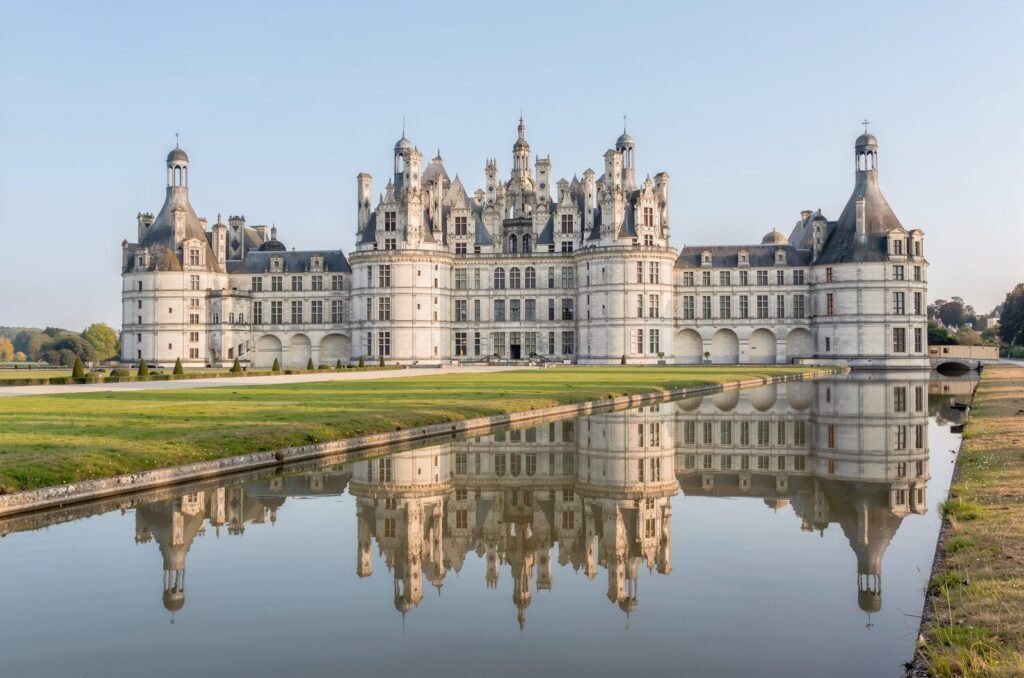
The French Alps
Chamonix at the foot of Mont Blanc, Lake Annecy and world-famous ski resorts such as Val d’Isère and Courchevel.

Alsace and Strasbourg
Half-timbered villages such as Colmar and Riquewihr, a scenic wine route and some of Europe’s best Christmas markets.

Other cities
Lyon
France’s gastronomic capital, with a UNESCO-listed old town, traboules (hidden passageways) and bouchons serving local specialities.

Marseille
A vibrant port city with the Vieux-Port, the Notre-Dame de la Garde basilica, the MuCEM museum and the calanques for hiking and swimming.

Nice
The Promenade des Anglais, the old town and its markets, and a perfect base for exploring the Riviera.

Bordeaux, Toulouse and Nantes
Bordeaux is famous for its wine and elegant architecture, Toulouse is the “pink city” of the southwest, and Nantes is known for its castle and creative arts scene.


French food and where to eat
From buttery croissants and baguettes to cheese, wine and Michelin-starred cuisine, food is at the heart of French life. Try coq au vin and boeuf bourguignon in Burgundy, bouillabaisse in Marseille, crêpes in Brittany, ratatouille in Provence and macarons from a Parisian pâtisserie.


Recommended restaurants
- Septime, Paris: modern French cuisine; book weeks ahead.
- Le Train Bleu, Paris: classic brasserie dishes in a spectacular Belle Époque dining room at the Gare de Lyon.
- L’Auberge du Pont de Collonges (Paul Bocuse), near Lyon: a temple of French gastronomy.
- A bouchon in Lyon, a crêperie in Brittany and a bouillabaisse in Marseille for authentic regional food.
Where to stay
France offers everything from grand palace hotels to charming chambres d’hôtes (B&Bs) and countryside gîtes.
- Le Bristol, Paris: a palace hotel on the Rue du Faubourg Saint-Honoré.
- Hôtel Plaza Athénée, Paris: on the Avenue Montaigne with views of the Eiffel Tower.
- Le Negresco, Nice: an icon on the Promenade des Anglais.
- Les Sources de Caudalie, near Bordeaux: a wine spa among the vineyards.
- Cheval Blanc: luxury hotels in Paris, Courchevel and Saint-Tropez.
Compare prices: check current rates for hotels in Paris, hotels in Nice and hotels in Lyon on Booking.com.
Itinerary ideas
- Four days: Paris, with a half-day trip to Versailles.
- One week: Paris (4 days), then the TGV to Lyon or a trip to the Loire châteaux.
- Ten days, the south: Lyon, Avignon and Provence, Marseille and the Riviera.
- Ten days, the northwest: Paris, Normandy (Mont-Saint-Michel and the D-Day beaches) and Brittany.
Practical tips
- Book the Eiffel Tower, the Louvre and Versailles online with a time slot.
- Buy TGV tickets early for the best prices.
- Many museums are closed on Monday or Tuesday; check before you go.
- Lunch menus are the best-value way to eat well.
- Keep your valuables safe in crowded places in Paris.
- Check the Crit’Air rules if you drive into a big city.
Book your trip to France
A few services we find useful when planning a trip to France:
- Car rental: compare rental cars for Provence or Normandy on Economybookings.com
- Mobile data: an eSIM for France from Airalo, useful if your plan does not include EU roaming
Some links in this section are affiliate links. If you book through them, CountryDiscover may earn a small commission at no extra cost to you.
Conclusion
France offers an extraordinary combination of art, history, landscapes and food. Start with Paris, then let the TGV or a rental car take you to the Riviera, Provence, the Loire or the Alps, and take your time to enjoy long lunches and village markets along the way. For more inspiration, read our guides to Italy, Spain and Switzerland.